
AI-based Products
We turn AI trained on field data into products. The NS-View AI camera, which analyses in-car video and sound, has been supplied to 7,000+ elevators nationwide, our door fault detection reads door movement from in-car video, our escalator safety system detects passengers leaning dangerously over the handrail, and our AI peak management system uses standby generators to cut power peaks.
AI-based product
solutions
AI trained on field data, applied to generators, elevators and escalators.
AI forecasts demand, runs standby generators at peak moments and groups sites into a VPP.
Analyses in-car video and sound to detect falls, violent movement and screams, and alerts staff. 7,000+ units supplied.
Analyses door speed and obstruction from in-car video to catch door faults — about 80% of all faults.
Warns when a passenger's head or shoulders lean too far over the handrail.
AI demand-forecasting VPP peak management system
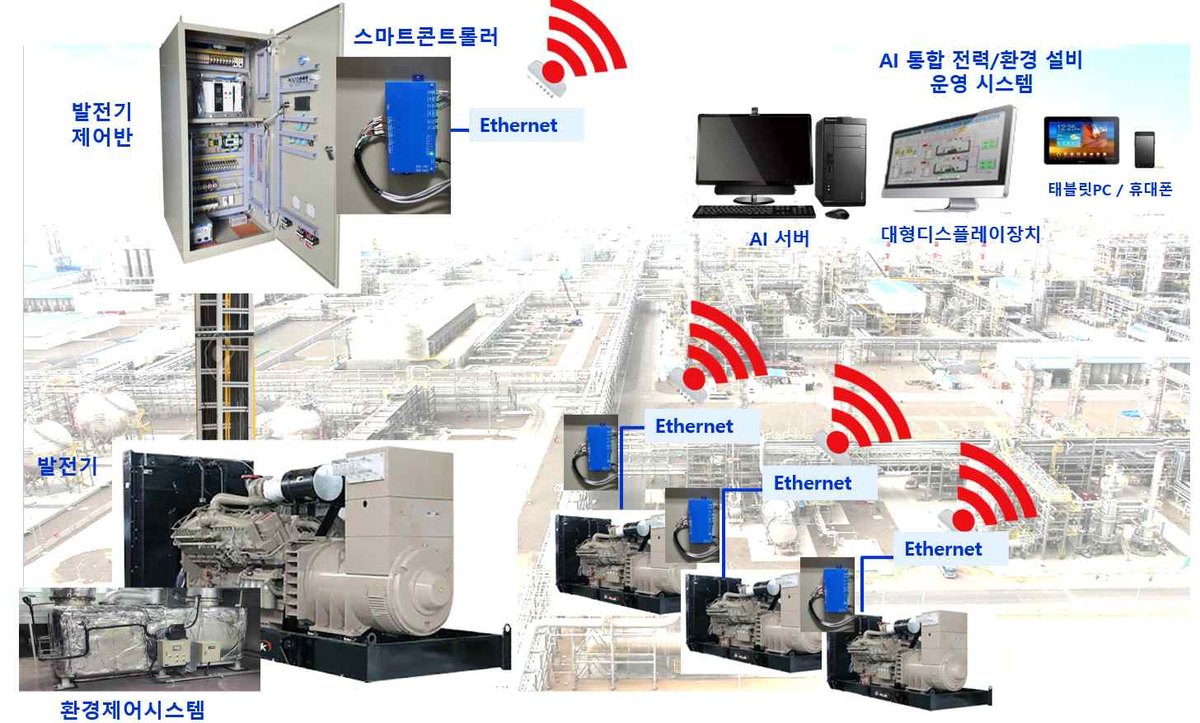
Almost every building has a standby generator that sits idle. Our AI turns it into a power resource: it forecasts demand, runs the generator at peak moments, keeps exhaust within limits and groups generators across sites into one virtual power plant (VPP).
- AI analyses and forecasts power peaks and sets a peak target for each site
- Generators start automatically at peak moments to cap maximum demand — lower electricity bills
- Generator exhaust (particulates, NOx) kept within the Clean Air Conservation Act limits
- Continuous generator condition monitoring and fault prediction, so it starts when an emergency comes
- VPP-grouped generators serve as a short-term power resource available within one minute
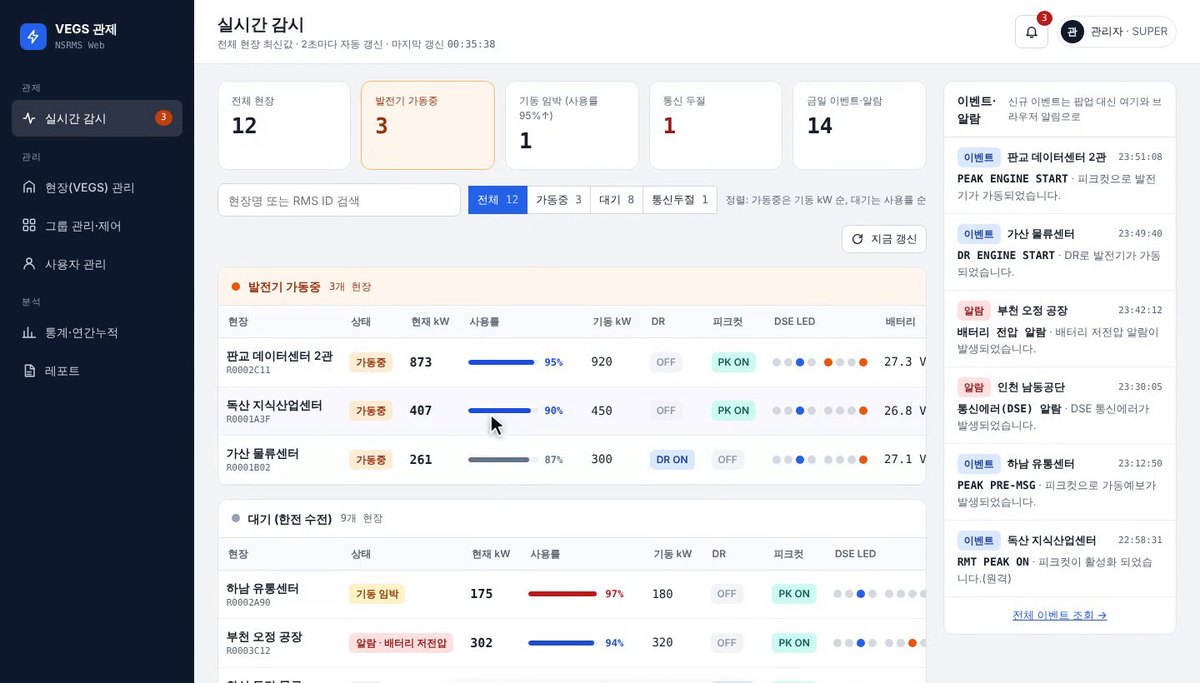
VEGS web console — live monitoring of all sites (demo)
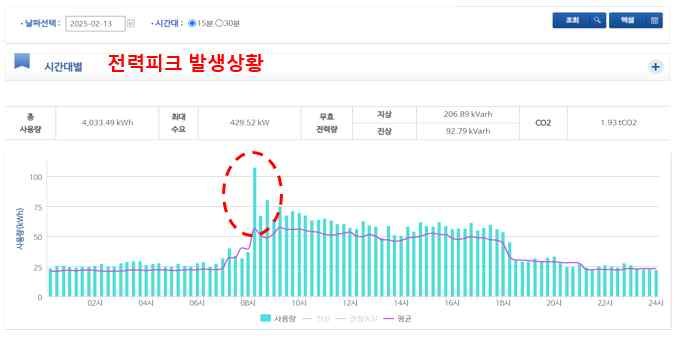
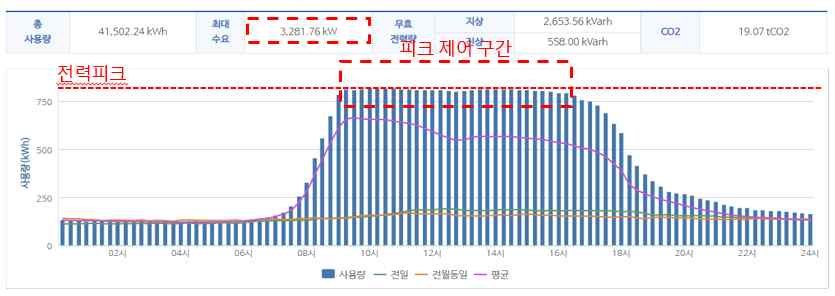
Lower the yearly peak, lower a whole year of basic charges
In Korea the basic electricity charge for 12 months is set by the summer/winter maximum peak. At peak moments the generator shares the load so maximum demand stays below target.
※ Prototype installations confirmed peak control and exhaust compliance (TRL 5). Graphs are examples of the hourly power-usage screen.
See the web console screens, demo video, the site node + central AI server architecture and our power-sector track record on the Power Management page.
More on power managementNS-View AI video remote monitoring
AI analyses in-car video to detect faults and danger. Over 7,000 NS-View AI cameras have been delivered nationwide.
- AI in-car video analysis — detects falls and violent movement
- Mobile monitoring with instant alerts to staff
- Floor, direction, door, car/hall calls, parking and floor control (may not be supported on some elevator models)
- Live in-car view and recorded footage on mobile
- Mobile home-call and visitor-call system (may not be supported on some elevator models)
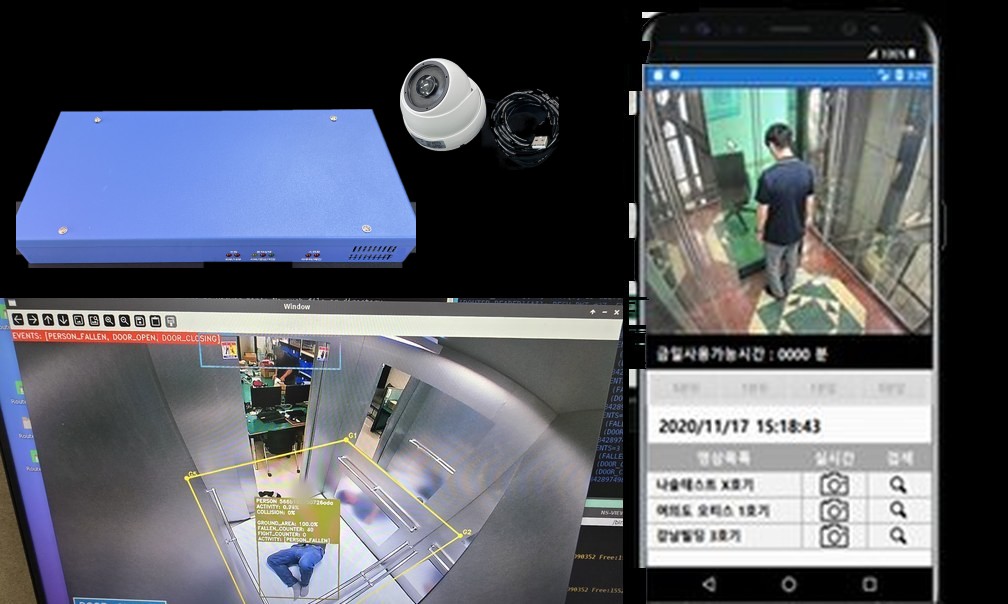
Main unit and in-car camera, live detection screen, mobile app
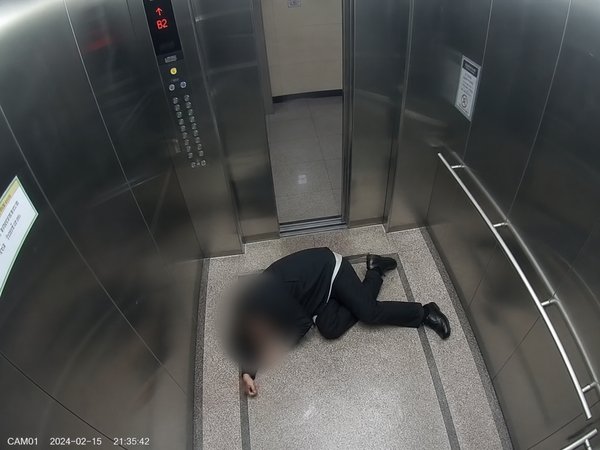
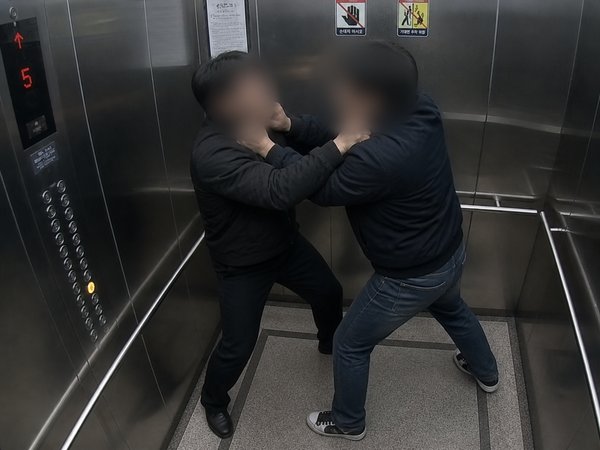
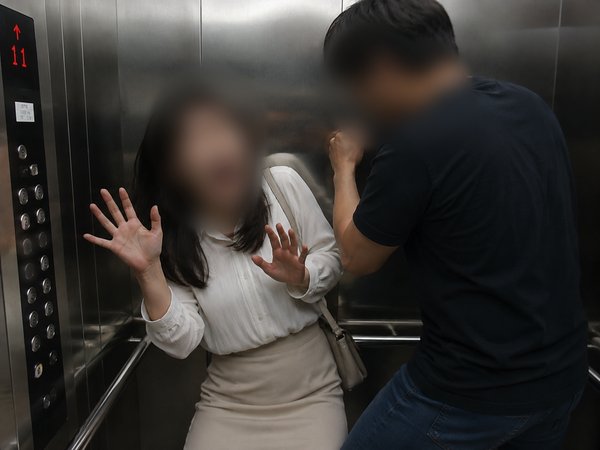
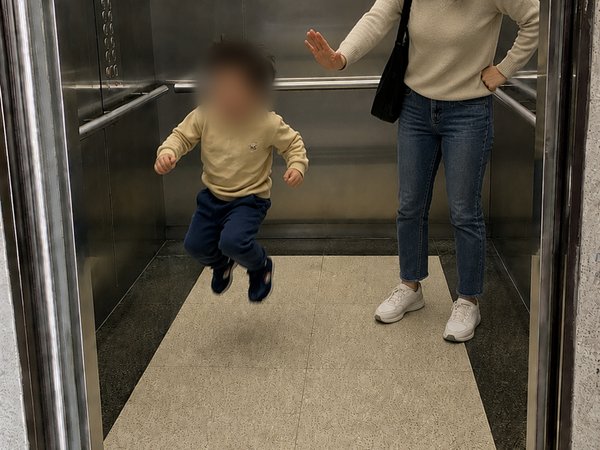
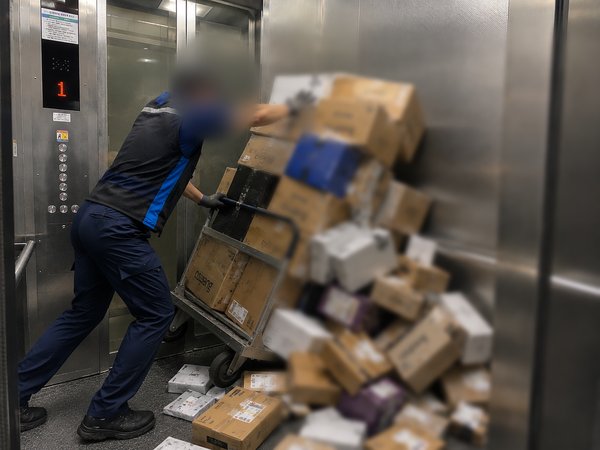
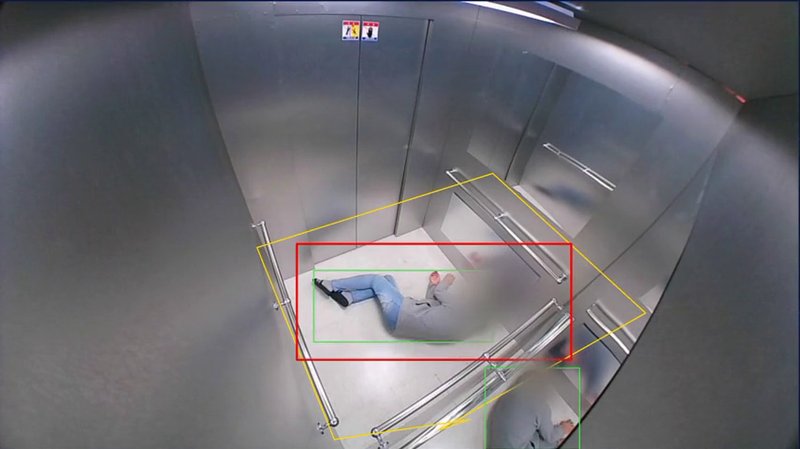
※ Example images of detected situations; faces are blurred.
Features
NS-View AI analyses in-car video and sound to detect falls, violent movement and screams — marking them on screen and alerting staff.
Fall detection
When a passenger collapses on the car floor, it compares the scene with a reference frame and analyses movement to detect the fall and raise an alarm.
Violent movement detection
When a scuffle or other violent movement happens in the car, it analyses the size and pattern of motion to detect it.
Scream detection
It also analyses in-car sound and detects screams.
※ Screen recordings of NS-View AI detection; faces are blurred.
Elevator door fault detection system
About 80% of reported elevator faults are door faults. The system analyses door movement recorded by the in-car camera — speed, obstruction and more — to detect door faults.
- Door state from video alone — closed, opening, open, closing
- Opening ratio (%) calculated live to track door speed and timing
- Detects abnormal motion such as obstruction, incomplete closing or slow movement
- No extra door sensors — judged from the in-car camera video
Screen recording of detection — door state, opening ratio (%) and opening graph
An unstable door tends to be left as it is unless someone reports it
When a door jolts or does not open and close properly, passengers feel inconvenienced and uneasy. Yet unless someone reports the fault, building managers rarely find out, and repairs are delayed.
Abnormal motion triggers an automatic alert to the people in charge
The building manager or maintenance technician who receives the alert can act right away, and a warning can also be sent to the building's control room.
Handrail approach warning system
The system finds and tracks every passenger in the escalator camera feed in real time, and warns when a head or shoulder leans too far over the handrail.
- Pose-recognition AI tracks each passenger's head and shoulders — works even when crowds hide the lower body
- Ignores normal hand-on-handrail use; warns only when the head or shoulders enter the handrail zone
- Warns only after the condition persists, cutting false alarms and avoiding repeat warnings for the same person
- On-screen warning · event log · snapshot · external system integration
- Several cameras handled by one program; USB and IP cameras supported
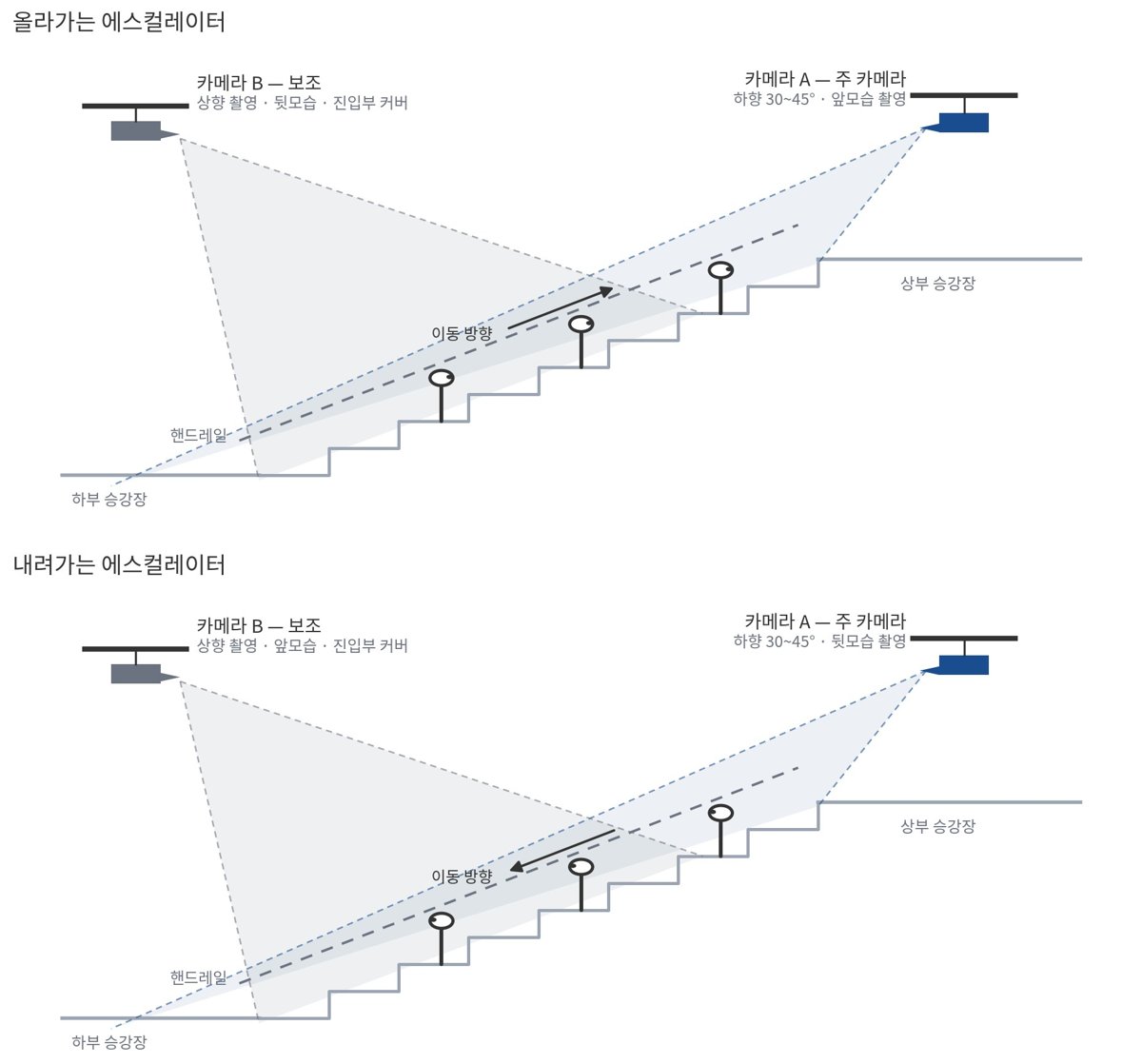
Two cameras per escalator
A main camera on the upper ceiling looks down at 30–45° to cover the whole incline and both handrails, while an auxiliary camera at the bottom covers the entry. Detection works the same for up and down escalators; if a camera is moved, only the handrail zones need to be redrawn on screen.
※ The example is an AI-generated demonstration video; faces are blurred. Green boxes are tracked passengers, red marks a warning.
Considering AI for your site?
Tell us about the site and the data you have — we will review what is possible together.